
GST Services: A Complete Guide for Businesses in India
Goods and Services Tax (GST) is one of the most significant tax reforms in the modern Indian economy. Implemented on 1 July 2017, GST subsumed a multitude of indirect taxes into a unified system that aims to simplify compliance, reduce cascading taxes, and boost ease of doing business in India.
Today, GST touches nearly every business transaction—whether you’re a sole proprietor, startup, small enterprise, or corporate house. However, navigating GST laws, filings, registrations, and compliance requirements can be complex. This is where professional GST services provide value—ensuring accuracy, compliance, and peace of mind.
Understanding GST — The Foundation
Goods and Services Tax (GST)
GST refers to Goods and Services Tax. It was introduced to replace various indirect taxes such as:
Excise Duties
Service Tax
Value Added Tax (VAT)
Central Sales Tax (CST)
Taxes on Luxury and Entertainment
GST is a destination-based tax that implies tax is imposed on goods and services consumed by the consumer in the destination area and not where they are produced. Taxes are imposed in many stages in the supply chain, but tax credits are available for previous taxes paid. This removes the cost of “tax on tax,” also known as the cascading effect.
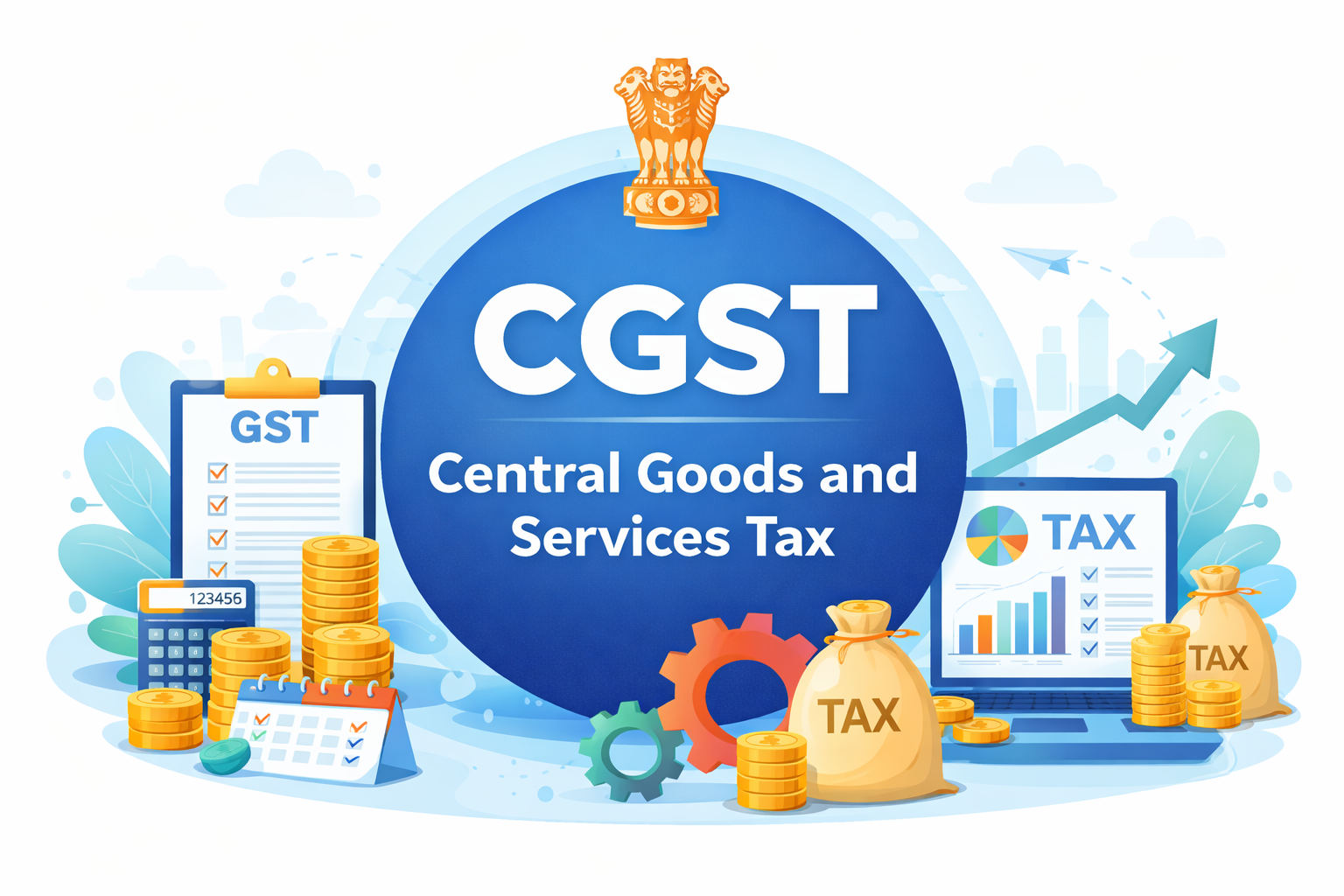
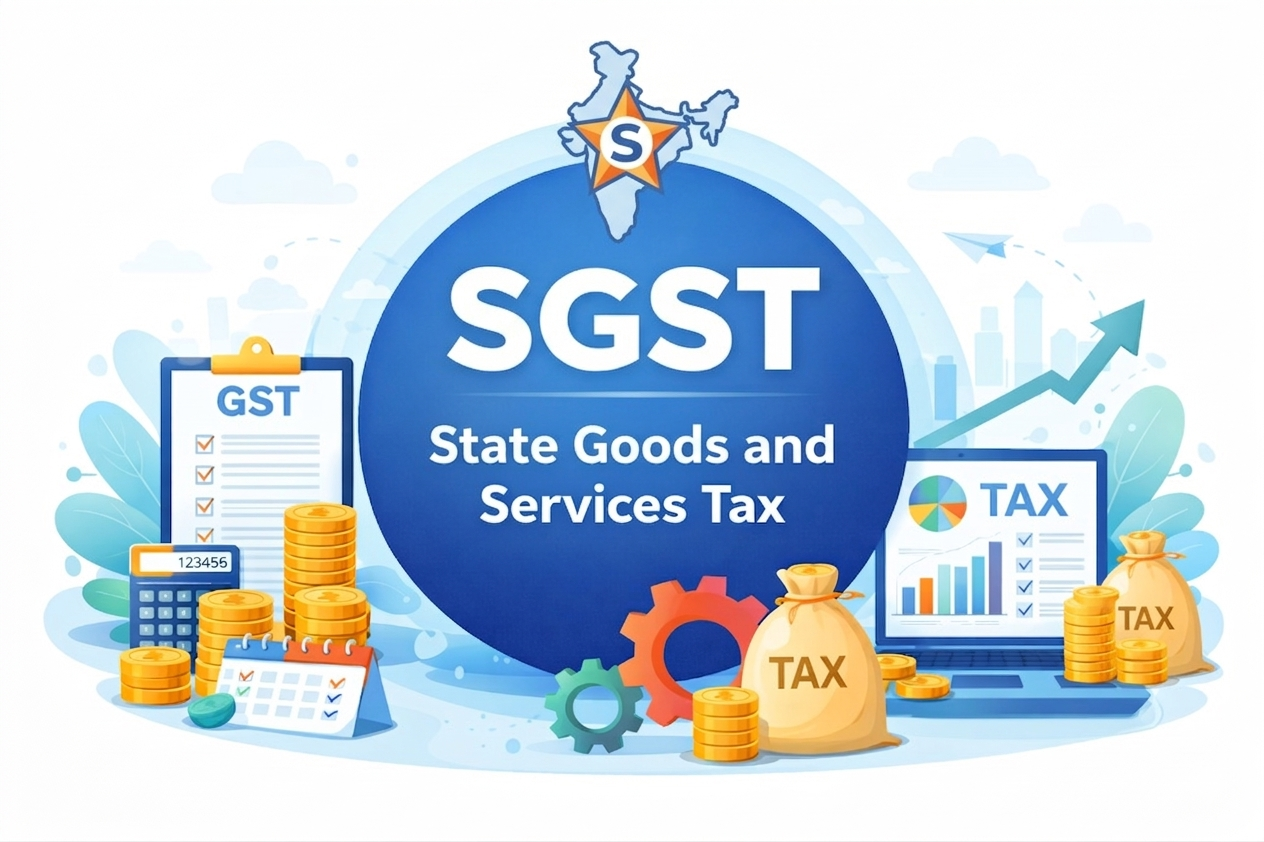
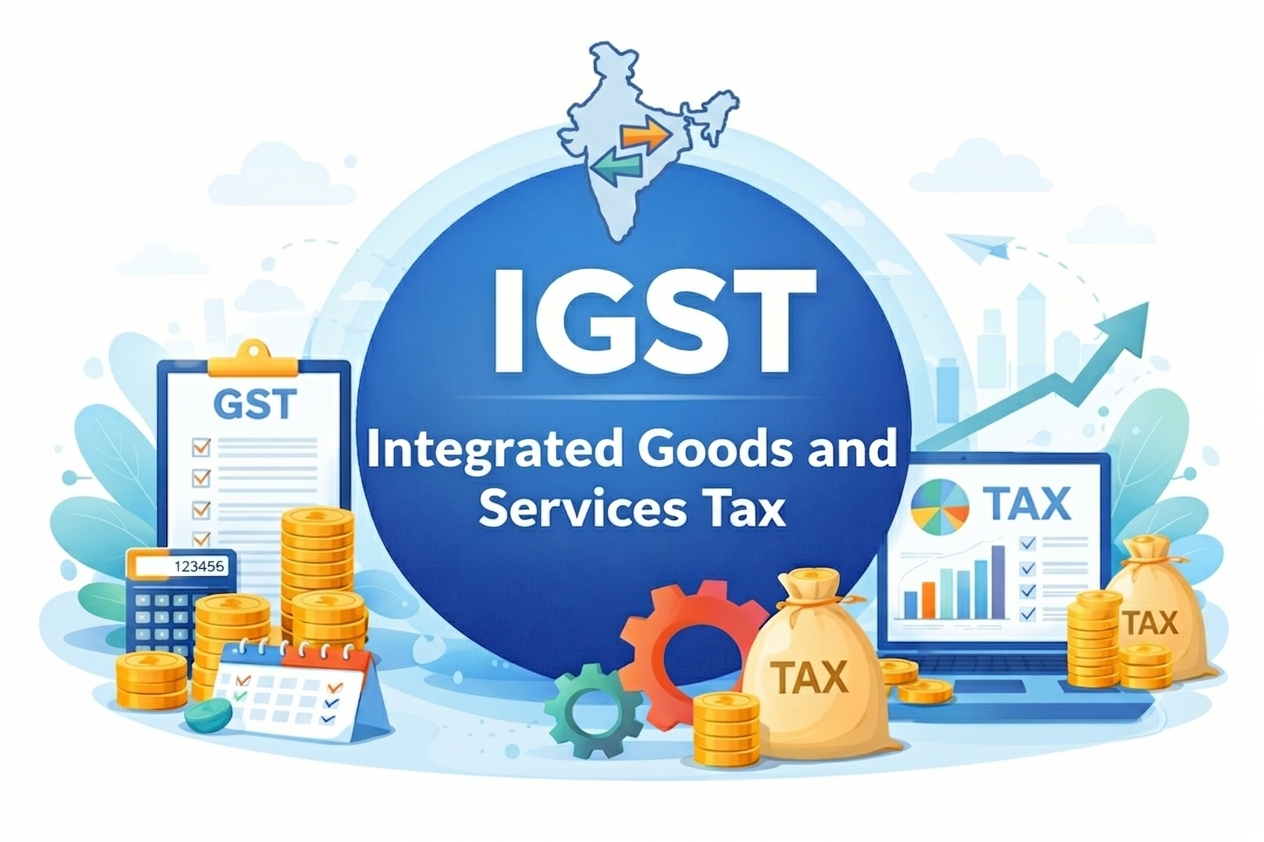
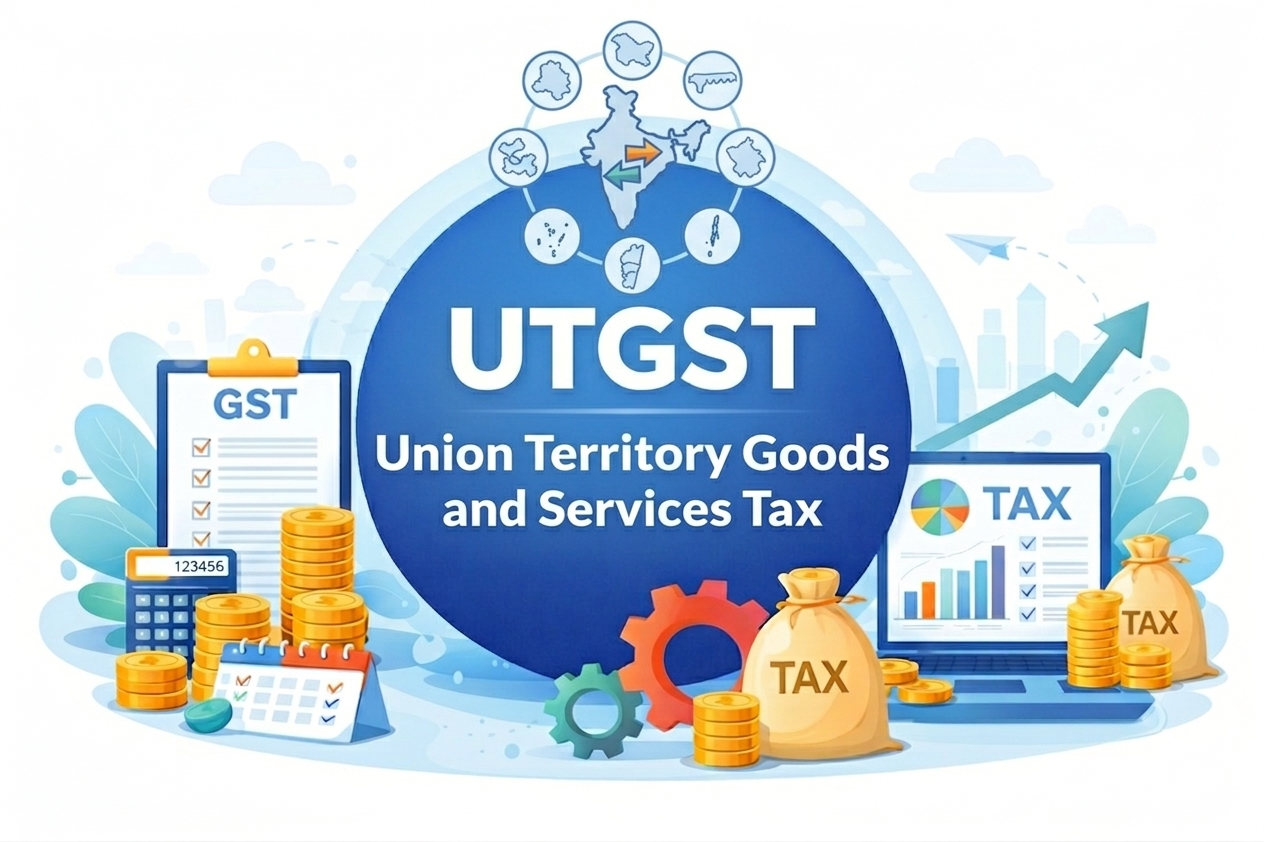
Types Of GST in India
- CGST (Central GST)
- SGST (State GST)
- IGST (Integrated GST)
- UTGST (Union Territory GST)
Why GST Services Are Essential
Most businessmen think that GST is only about completing some online forms. But GST filing is much more complicated than that since it requires:
Proper categorization of goods/services
Appropriate taxation
Invoicing matching
Input tax credit reconciliation
Penalty and fine payment management
One small mistake could lead to legal action or prevent you from claiming credits. That’s why GST services are vital for any company.
Key Benefits of GST Services
✔ Compliance Assurance
✔ Minimizing Tax Liability through Proper Planning
✔ Accurate Filing and Record Keeping
✔ Reduced Risk of Penalties
✔ Timely Representation in Scrutiny or Audit
✔ Expert Advice on Sector‑Specific Issues
Documents Required for GST Registration
GST registration requires submitting certain documents to verify your business identity, address, and bank details. Professional GST services help ensure all documents are accurate and accepted on the GST portal.
1. For Proprietorship
- PAN Card of the owner
- Aadhaar Card of the proprietor
- Proof of business registration or incorporation certificate (if applicable)
- Identity and address proof of promoters/directors with photographs
- Bank account statement or canceled cheque
- Business address proof (electricity bill, rent agreement, or property tax receipt)
- Digital Signature Certificate (DSC) – for certain cases
2. For Partnership or LLP
- PAN Card of the firm
- Partnership deed or LLP agreement
- PAN and Aadhaar of partners
- Identity and address proof of partners with photographs
- Business address proof
- Bank account statement or canceled cheque
- DSC for authorized signatory
3. For Private Limited or Public Limited Companies
- Certificate of incorporation
- PAN and Aadhaar of directors
- Director identification number (DIN) of all directors
- Memorandum and Articles of Association (MOA & AOA)
- Proof of registered office address
- Bank account statement or canceled cheque
- DSC of authorized signatory
4. Additional Documents (as applicable)
- Authorization letter or board resolution for authorized signatory
- Import Export Code (IEC), if applicable
- State-specific approvals or licenses
GST Slab (2026)
Core GST Services Offered by Professionals
Every business with a turnover exceeding the threshold (usually ₹20 lakh or ₹10 lakh for special category states), or engaged in interstate supplies, must register under GST.
GST requires periodic return filing:
| Return Form | Frequency | Purpose |
|---|---|---|
| GSTR‑1 | Monthly/Quarterly | Outward supplies |
| GSTR‑3B | Monthly | Summary return |
| GSTR‑4 | Annual/Quarterly | Composition taxpayers |
| GSTR‑9 | Annual | Annual return |
| ITC‑04 | Annual | Details of goods sent on job work |
Business decisions often impact tax liability. GST consultants help with:
✔ Impact assessment of cross‑border supplies
✔ Place of supply determination
✔ Rate disputes
✔ E‑commerce rules and TCS/TDS implications
✔ Registration in multiple states
✔ Job work and composition schemes
GST audits—whether voluntary or statutory—can be daunting.
GST services include:
- Internal audits to verify compliance
- Preparation of audit documents
- Representation before tax authorities
- Handling notices and disputes
FAQ
Frequency Asked Question
GST (Goods and Services Tax) is a single tax on goods and services, replacing multiple indirect taxes like VAT, excise, and service tax. It is essential for businesses to comply with GST to avoid penalties and maximize Input Tax Credit (ITC).
Businesses with an annual turnover exceeding ₹20 lakh (₹10 lakh for special category states) or engaged in interstate supply of goods and services must register for GST. Certain voluntary registrations are also allowed for smaller businesses.
Documents include PAN card, Aadhaar card, proof of business registration or incorporation, bank account statement or canceled cheque, business address proof, and DSC for authorized signatories. Specific documents depend on the type of business entity.
Professional GST services include registration assistance, compliance and return filing, advisory and consultancy, GST audit support, ITC optimization, e-invoicing support, and rectification of GST returns.
GST experts reconcile purchase and sales invoices, ensure proper classification of goods/services, prevent blocked credits, and claim maximum ITC while staying compliant with GST laws.
Businesses often face challenges like mismatched ITC, incorrect HSN/SAC classification, late filing penalties, and handling notices or audits from GST authorities.
Cloud accounting, automated return filing, e-invoicing via API, reconciliation tools, and AI-based analytics make GST compliance faster, accurate, and reduce the risk of errors or penalties.
Hiring professionals ensures accurate registration, timely return filing, ITC optimization, audit support, and expert advice on industry-specific GST rules, helping businesses focus on growth rather than compliance issues.